
Guess Who's Back (everybody) - Alright!
Letter to a Gamer is back, now free for all members
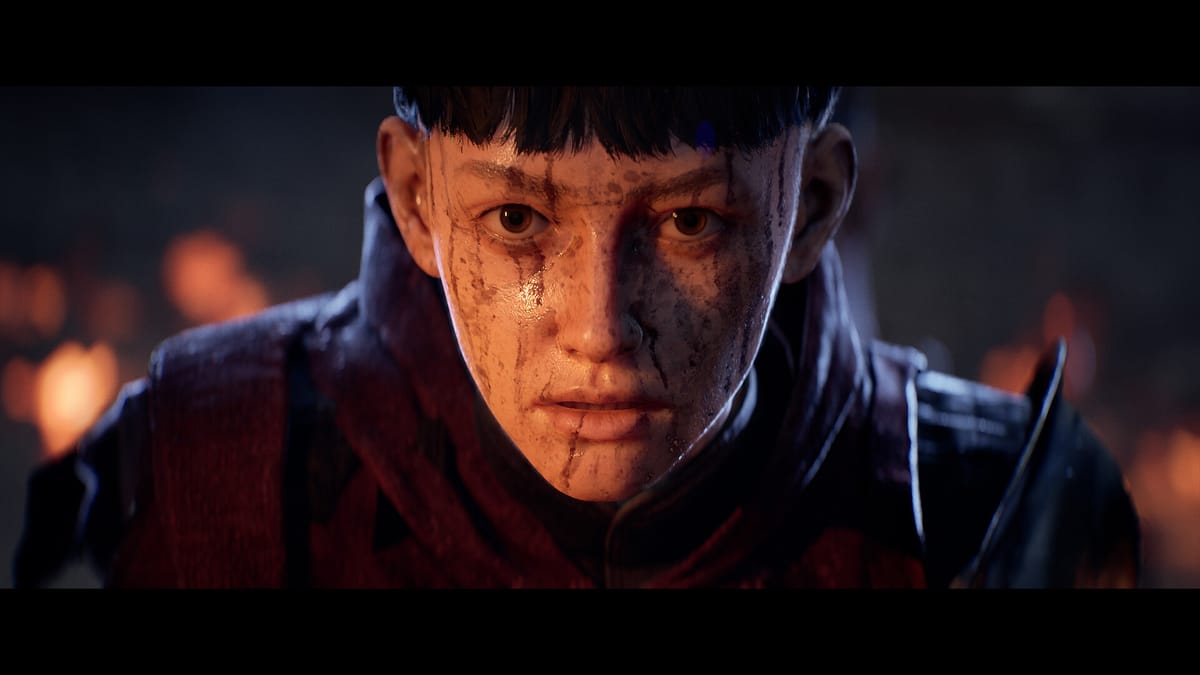
In a few weeks time, I'll be able to tell you the how, the why, and, above all, the who, but for now, I can only tell you that my adventure as editor-in-chief of Esports Insider Italy and EsportsMag has abruptly come to an end, along with the positions of all my colleagues, both Italian and English.
If you try to Google the site, you won't find it, and I'll tell you why in due time. For now, I hope the return of Letter to a Gamer in all its glory, complete and free to all subscribers, is enough for you, at least until I figure out what to do with my life and career.
Without further ado, here's the return of my independent journalism, without ads, without sponsors, and without AI.
News index
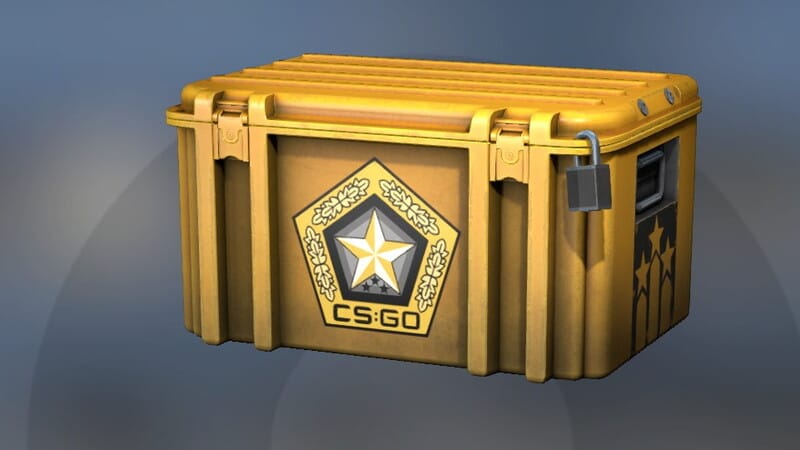
No more loot boxes for children under 16 - The pan-European Game Information (PEGI) rating system has revised its age ratings for games to take into account mechanisms such as loot boxes, daily quests, and in-game purchases. Games with "random paid items" will be rated PEGI 16 (and in some cases PEGI 18), any blockchain or NFT elements will be rated PEGI 18, games without chat moderation tools (blocks or reporting) will be PEGI 18, time-limited purchases will be PEGI 12, and daily quests will be PEGI 7 by default.
Jeff Kaplan returns to the scene with a new game, The Legend of California, and explains why he left Blizzard - "The moment that made me give up everything was when the CFO called me into his office. He sat me down, gave me a date, and said, 'Overwatch has to generate this amount of money in 2020, and every year after that, it has to have a certain amount of recurring revenue. If you don't do that, we'll lay off a thousand people.'" Little is known about the new game: it will be an open-world survival FPS set during the Gold Rush era, where you can play alone or with friends to build and expand a ranch.
Microsoft has shared some technical details about Project Helix, its next-generation console - The company says it aims to give alpha versions of the hardware to developers in 2027. In April, an "Xbox mode" will begin rolling out on Windows 11, as part of a process of unifying Microsoft's gaming ecosystem. Of note: The "This is an Xbox" advertising campaign, the flagship project spearheaded by former Xbox president Sarah Bond (which was heavily criticized), has been removed from all official channels, signaling a change of direction from the new leadership.
Shinji Mikami, the creator of Resident Evil, has a new development studio - Its called Unbound Games and has recently started making headlines despite having been operational since 2023. The studio describes itself as "a completely independent company, developing high-end games, creating original AAA titles." Ghostwire: Tokyo producer Masato Kimura is involved in the project and has stated that he is "creating a title that offers a rich gaming experience and allows you to fully immerse yourself in its world."
The American Actors' Union (SAG-AFTRA) has issued a no-work order against Capcom's Mega Man: Dual Override - The union stated that "members are requested not to perform any acting services or perform any activities covered by the union contract for this production." The reason? Former Mega Man voice actor Ben Diskin wrote on Bluesky that he was invited to return to the franchise "on the condition that I work without the protection of a union contract."
Inflation comes to Fortnite - Epic Games has announced that it will increase the price of all V-Bucks packs, Fortnite's main currency used to purchase cosmetics, subscriptions, and other virtual goods. The price increase has been attributed to rising development and support costs, as Epic stated on its website: "The costs of operating Fortnite have increased significantly, and we are raising prices to cover these expenses." This will not lead to an increase in the price of items, whose costs have been revised, but rather to an increase in the number of purchases.
What to play this weekend
Run boy run
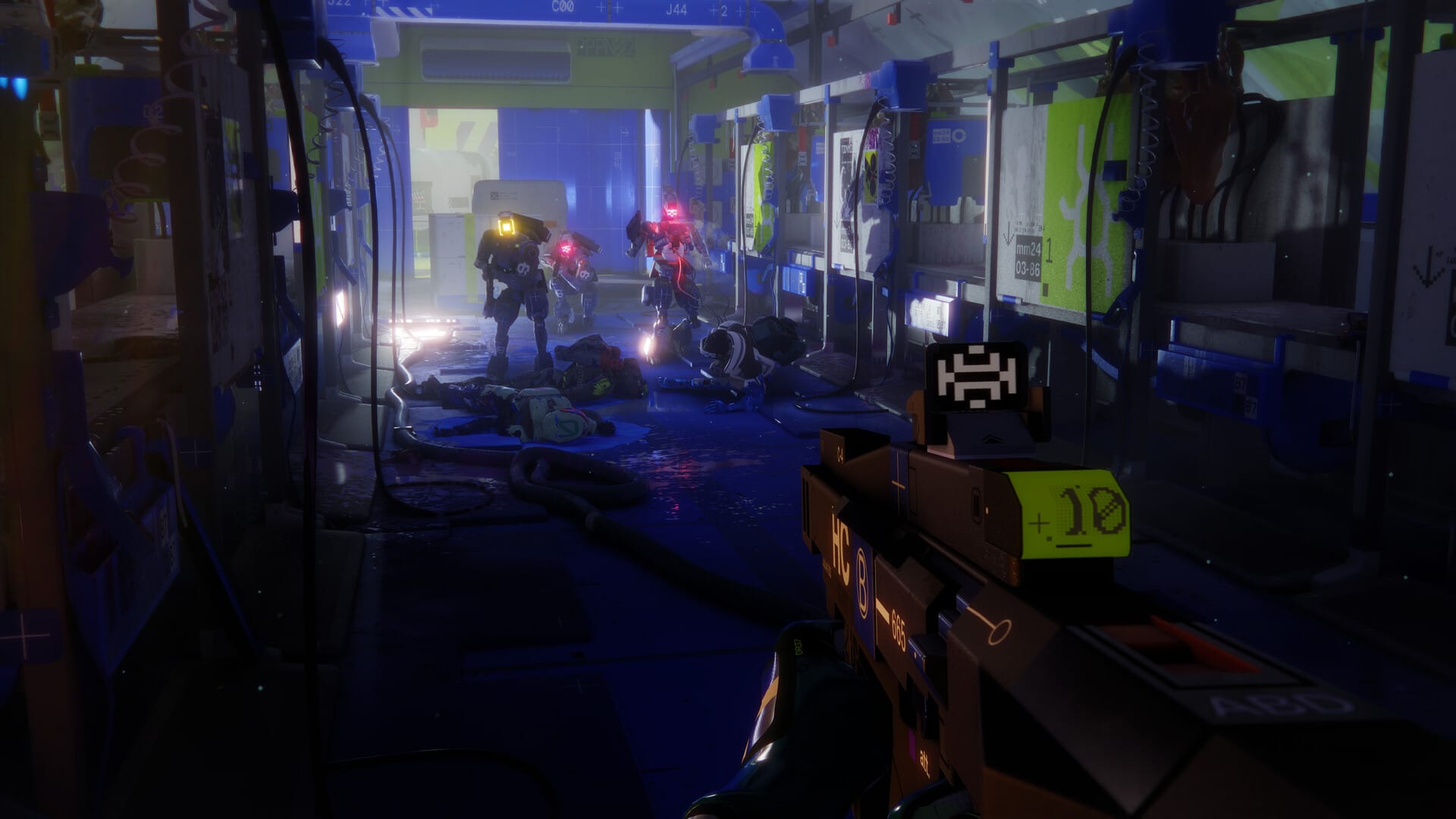
There's only one game I can recommend this week because I'm practically playing it exclusively: Marathon. Bungie's new extraction shooter has "got me by the balls" as many creators put it, both at its best (extracting with your team full of loot with a secret that unlocks a bit of the incredibly deep story) and at its worst: the hunger for revenge when you lose everything after an ambush and want to play again to get even.
Marathon isn't for everyone: it's a PvP-centric game, it punishes those who don't play by its rules (first of which is being extremely careful not to make noise), and it can leave a bitter taste in the mouth when you repeatedly lose.
But if you're looking for a game that lets you go all out with your friends and rewards you with some of the most adrenaline-pumping and satisfying sessions of your gaming career, then give Marathon a chance and dive not only into its sci-fi world, but into its ongoing ARG (Augmented Reality Game) to unlock the endgame map that will be like a Destiny 2 raid.
1348 Ex Voto: review
1348 Ex Voto could have been the Middle Ages game made in Italy that we have been waiting for a long time, instead it is a collection of missteps and wasted opportunities
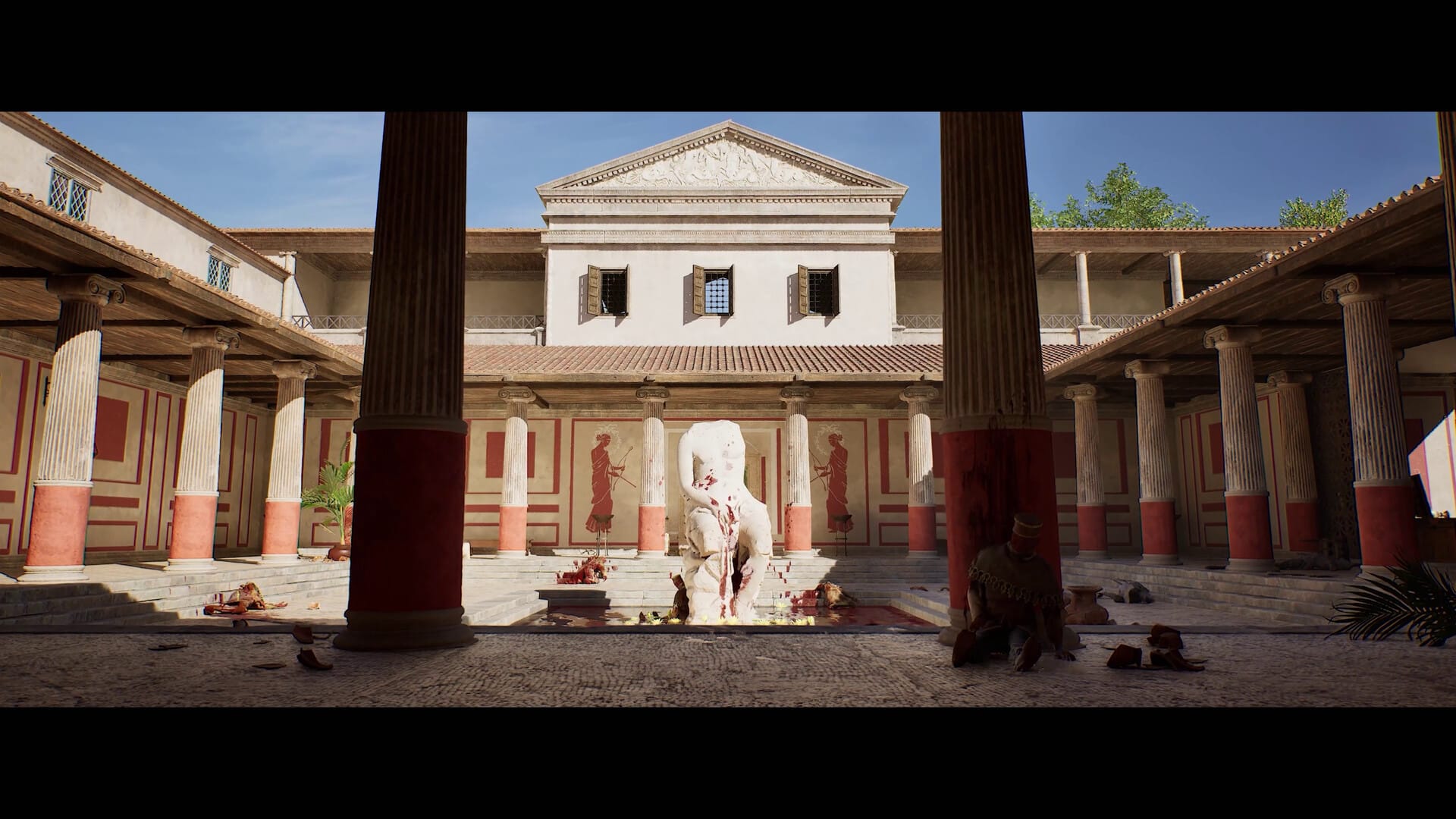
I'm exaclty the right person, in the gaming journalism scene, to review 1348 Ex Voto. I'm not being arrogant; now you'll understand why. The setting is the Middle Ages of the Plague, the historical period in which I graduated uni, and the combat is all about the one-and-a-half-handed sword, which I practice every week as an amateur historical fencer.
The presence of exceptional voice acting talent (first and foremost Jennifer English, Maelle from Expedition 33) also made the title one of the most anticipated of the year. Given this background, you can imagine my disappointment when the Italian production company Sedleo failed to deliver on its promises.
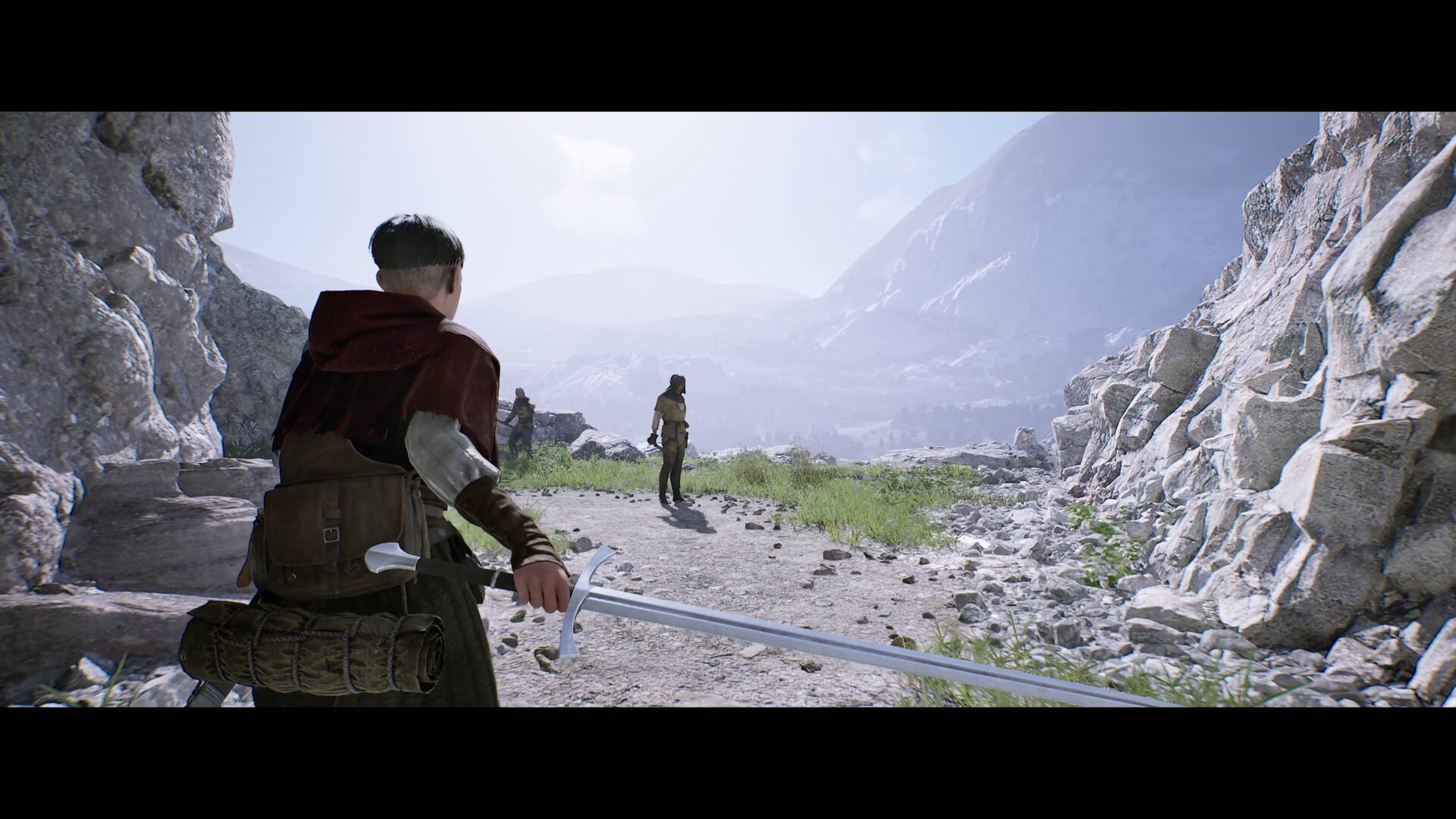
Not only is the setting wasted and trivialized, the combat is technically very uncertain and historically flawed, the direction squanders the performances of the lead actresses with confusing camera cuts, incomprehensible narrative jumps and a technical department that, outside of the combat, can be summed up as "too much gums".
The premises for a truly medieval cinematic adventure were all there: a collapsing central Italy at the height of the 1348 plague, banditry, religious fanaticism, and two protagonists both free because they are in love and prisoners of a destiny chosen for them by their social class and their troubling times.
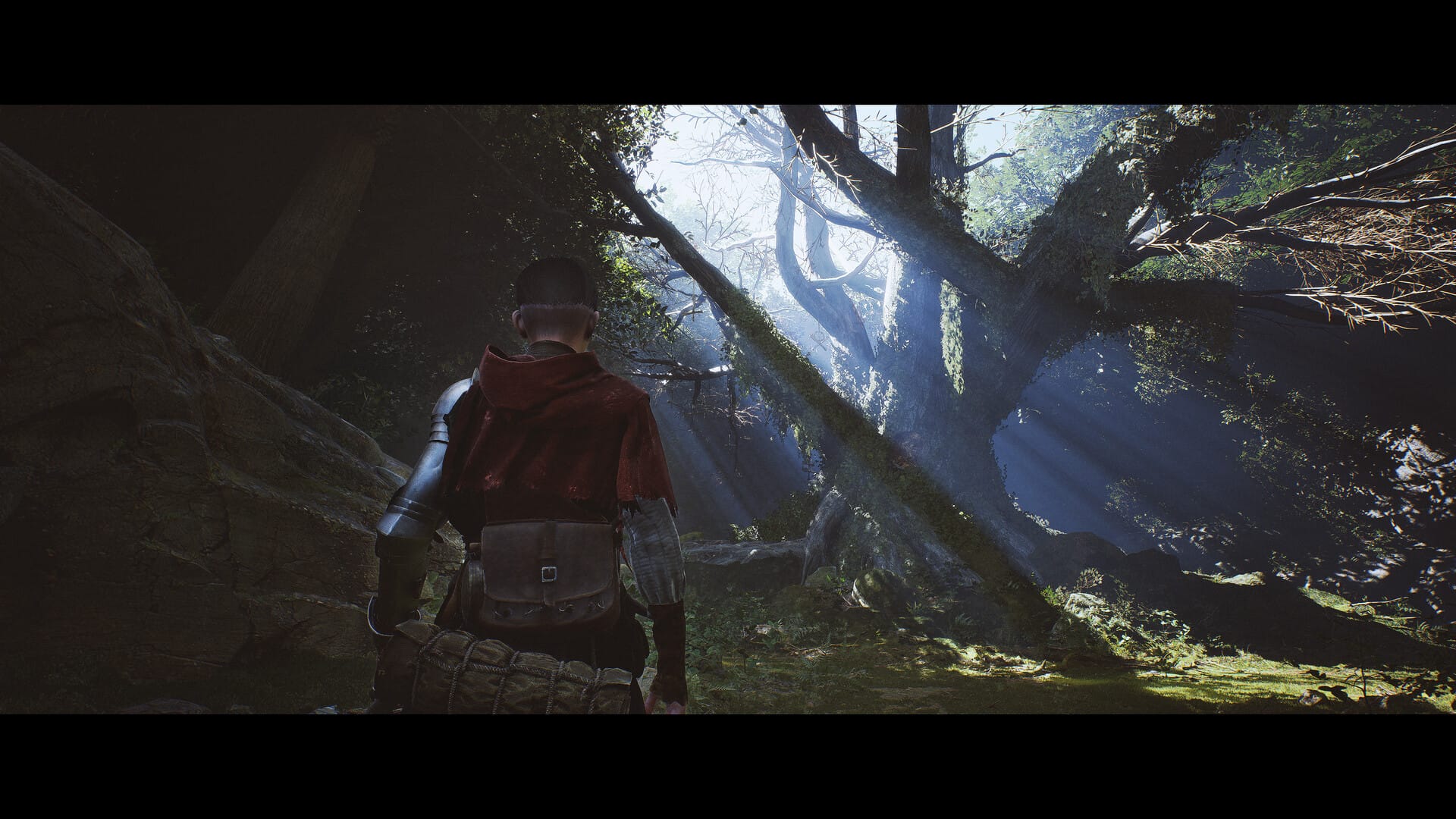
What I played was a story with inexplicable leaps in it narrative, a series of forced combat moments to fill empty stretches of levels, and a complete lack of appeal due to a very poor technical state.
When bandits kidnap her promised love, Bianca, the protagonist, Aeta, gives chase, cutting down anyone in her path with her sword. Once the bandits are defeated (after a forgettable boss battle), the antagonists become the Flagellanti, a religious order that is kidnapping citizens en masse to "sacrifice" them in the hopes of warding off the plague.
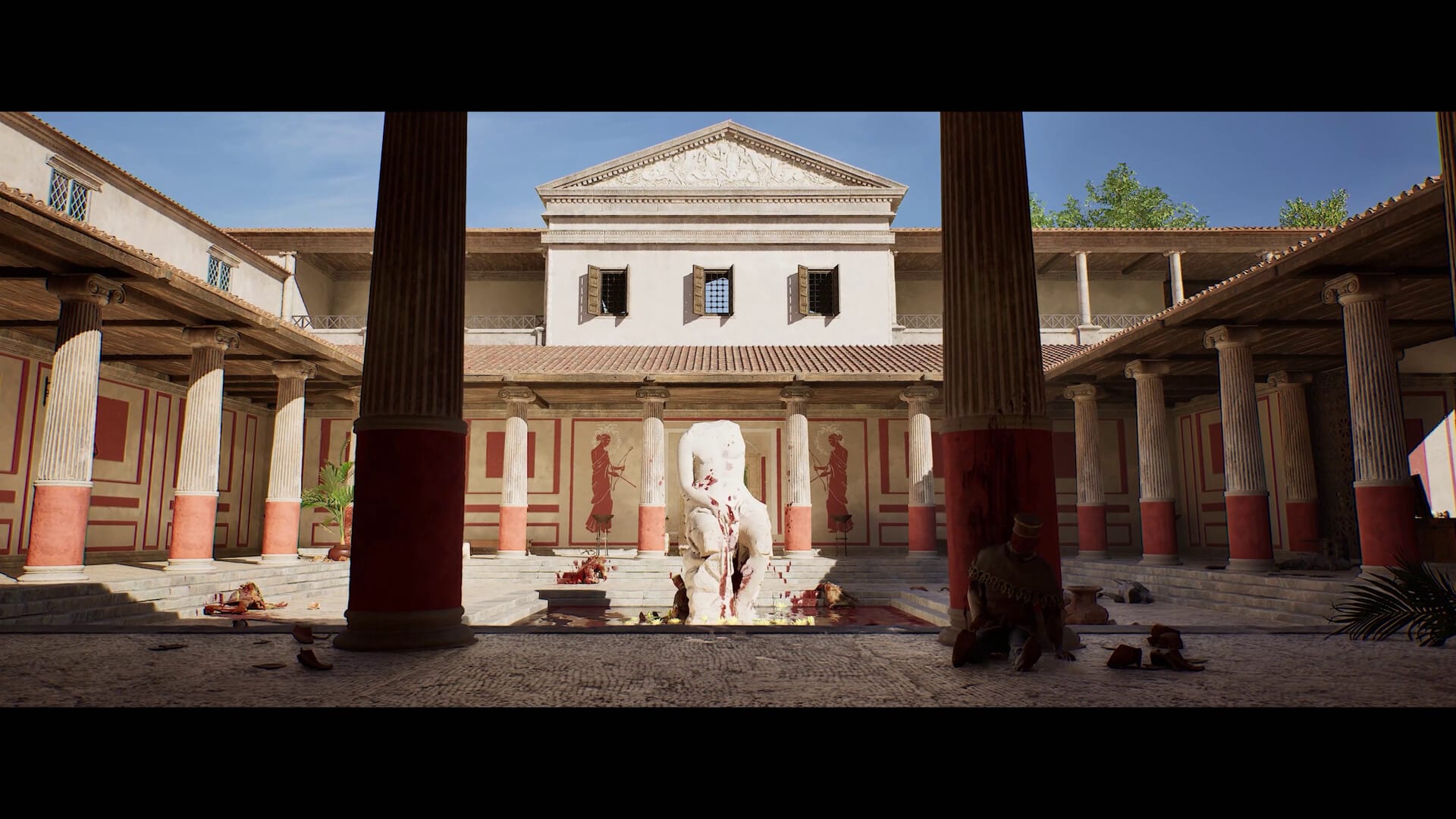
This is where I finally gave up on the game. I could justify the technically and historically not so sound combat, even the extreme linearity of the experience in service of a compelling narrative. I could even tollerate the mountains of barely touched Unreal Engine assets devoid of personality just to have a "big graphics" effect.
When I saw three monks parrying my one-and-a-half-handed sword with a whip and Matrix-like reflexes, I abandoned any hope of redemption from the game. Not only did I have to fight against a system that didn't register hits and a crazed up camera that moved completely autonomously to the target behind me, but I had to do so against a triumph of ludic-narrative dissonance.
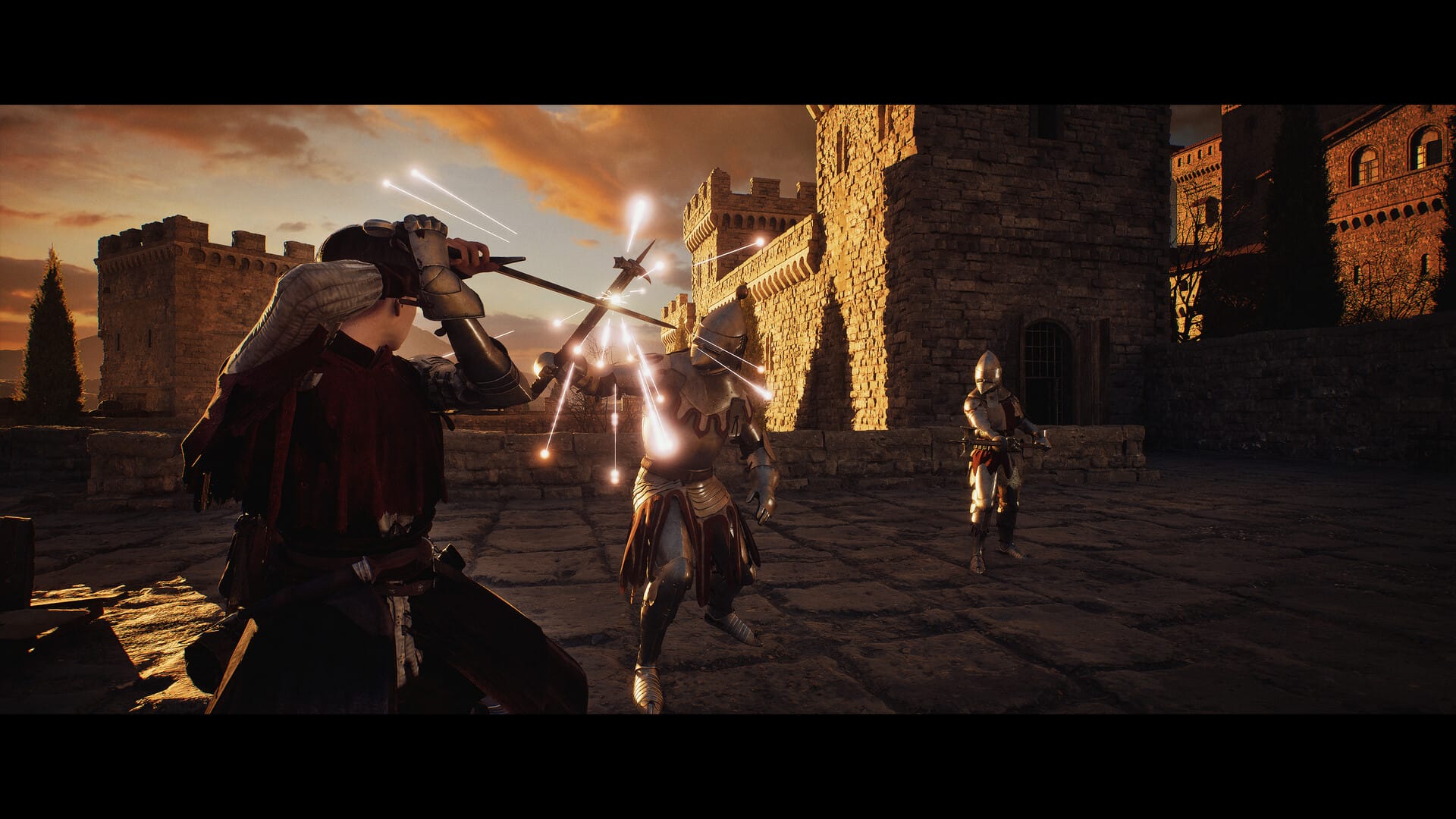
Sadleo's choices in direction, gameplay, optimization, and level design reveal an immature direction, unprepared for a project of this nature, and a production team that wasn't given enough time to deliver a stable and polished product.
I reluctantly advise against purchasing this game: the only redeeming feature is the performance by Jennifer English and Alby Baldwin, but you can catch them by watching a YouTube video.
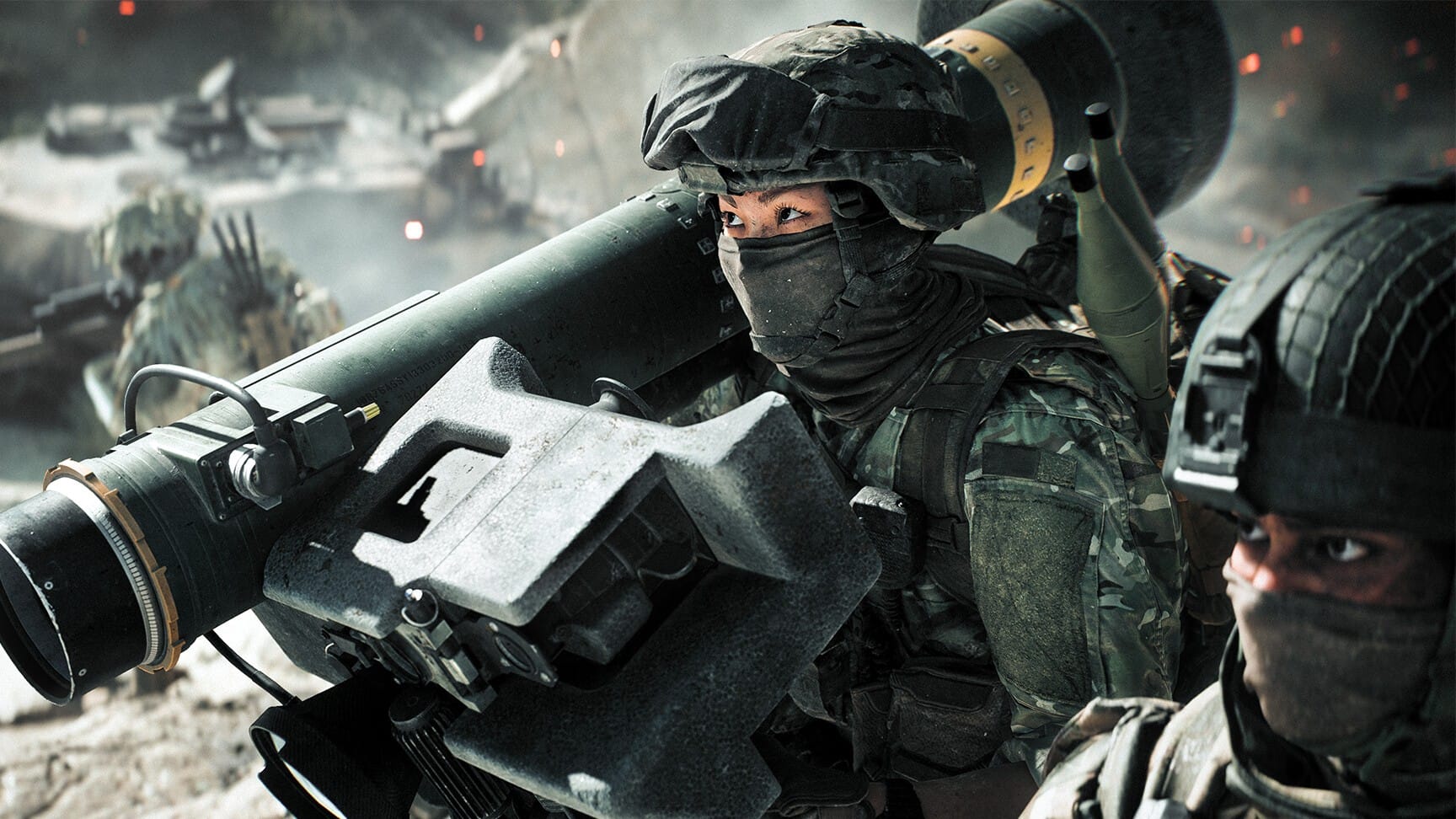
Even Battlefield is firing developers, we're officially in trouble.
An analysis of the how and why we got to this point
Being the best-selling game of the year, beating Call of Duty for the first time in 15 years, and marking the rebirth of a historic franchise wasn't enough to save Battlefield 6's developers from Electronic Arts' axe.
This week, the newly acquired by the Saudi EA announced an unspecified number of cuts at the studios that created (and currently support) Battlefield 6: DICE, Ripple Effect, Criterion, and Motive.
Battlefield 6's launch was the franchise's best ever: 7 million copies shipped over its launch weekend, 20 million copies so far, and 747,000 concurrent players on Steam at launch—an insane number considering the game was released at full price.
The news comes amid the 55 billion dollars acquisition of Electronic Arts by the Saudi Arabian State Investment Fund, in partnership with Silver Lake and Affinity Partners. EA will take on 20 billion in debt to complete it, and given that Trump's nephew is involved, it's unlikely the antitrust authorities will weigh in on the deal.
If being the best-selling game of the year doesn't save a studio from post-launch layoffs, nothing will. This is the new reality of the industry. No longer will studios cultivate talent to start working on a new project once the current one is finished. Instead, studios will become like bagpipes that inflate and deflate depending on the financiers' financial targets.
It will take at least another year of cuts, reductions, streamlining, and changes in direction to curb the post-pandemic industry's hubris. The founding and dismanteling of studios (did you see what happened last week to the Yakuza creator's new studio, which was abandoned by NetEase), the approoval and abrupt cancellation od projects (remember Contraband Perfect Dark And Fairgames?), and the closing of giants acquired and abandoned (rip Bluepoint) are all symptoms of an industry that has speculated too close to the sun, and is now paying the price.
No one seems to have reckoned with the fact that the number of gamers (and their game hours) is finite. There's a maximum number of "forever games" (live service games designed to occupy a significant portion of a user's gaming time) that can exist, and breaking into this select group is a virtually impossible feat.
Now we need to see what the bottom of this barrel looks like, hoping that, once we've reached it, we'll start climbing up, not digging down.
Thank you for reading the return of Letter to a Gamer. It's only thanks to your support that this newsletter can remain independent, free from advertising, sponsorship, and any other influence beyond the relationship between you and me. If you haven't already, you can join the Telegram group to ask questions, suggest titles for review, and discuss with other enthusiasts. If you love Letter to a Gamer and want to help, you can share this link with your friends and gaming buddies and follow the newsletter on social media (Instagram, Bluesky, TikTok).
See you at the next Letter
Riccardo "Tropic" Lichene