
2XKO Review: a Great Fighting Game Forced to Become a "Riot Video Game"
2XKO is a great fighting game and another example of the slow death of the free to play business model
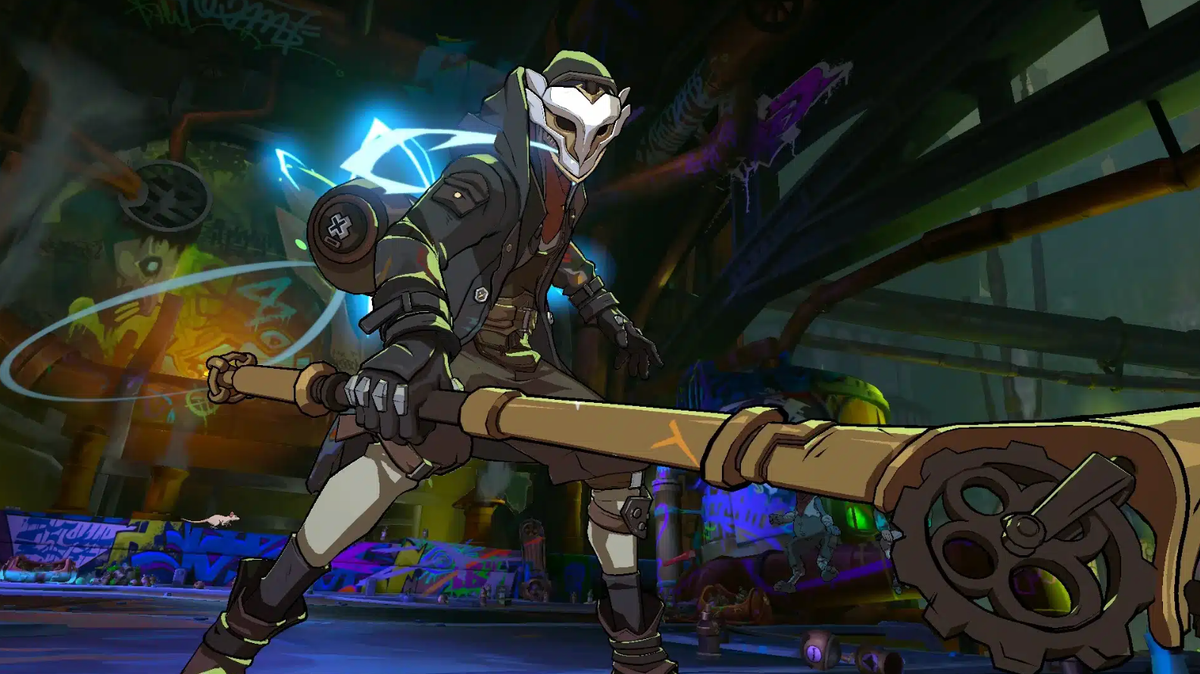
2XKO is the work of dozens of fighting game fanatics, and it shows. From the hero designs to the tag team mechanics (with two heroes alternating in combat) to the endless list of quality-of-life improvements that seem to be lifted straight from the Tekken and Street Fighter subreddits, Riot Games' fighting game has all the makings of a true FGC hallmark. It's a shame it's forced to replicate in many ways the "Riot Games video game" formula that everything that came after League of Legends has accustomed us to.
2XKO, for those familiar with fighting games, is a game that is not only technically rock-solid (both in terms of client and netcode), but it is also deep and unique. Deep because its character designs bear the mark of a team obsessed with the genre. Unique because its tag-team system allows for exciting combinations that require hundreds of hours to perfect.
Take, for example, the two characters who, even in their nerfed state on their console debut, are dominating the competitive meta: Ekko and Yasuo. These two characters have such versatile kits that they must be the product of someone who said, "I want anti-air, zoning, rushdown potential, and the ability to trap my opponent in a corner, all in the same character".
They're wicked in their efficiency and endlessly entertaining for those who understand what all the above terms mean. For those who have never played a fighting game, however, starting in 2XKO will be an experience almost identical to the one millions of players had at the dawn of Valorant: as soon as you start climbing the learning curve (and the competitive one), you'll be completely destroyed by those who have 1,000 hours of Tekken, Street Fighter, or the Marvel vs. Capcom series.
The game does everything in its power to appear accessible, but it isn't, at least not for a complete newcomer. This is both good and bad news, because FGC veterans can savour the game for months and years if they enjoy it. Newcomers, on the other hand, have a very steep slope to climb that lasts several months, and that's only to get a grip with the technical foundations of fighting games.
2XKO is the first truly free-to-play fighting game on the market, and by playing, you can earn all the new characters in a relatively short time. Its starting roster isn't very large, but four heroes are being released each year, so the problem will soon be solved. Being free to play, however, will prevent many newcomers from overcoming the frustration and boredom or the first few hours thanks to the fact that they already spent money on the game.
Perhaps the gradual arrival of new players with new updates or particularly popular League heroes will bring about good numbers, but 2XKO won't be a massive game because it's delightfully complex, and there aren't enough League or Arcane fans to populate tens of thousands of lobbies based solely on their passion for the intellectual property.
Nothing better illustrates this problem than the tag mechanics (Fuses), which represent 2XKO's most tangible innovation. These are ways to combine the two characters on your team to chain ultimates, gain extra abilities when switching between characters, and modify the behavior of your secondary character.
While a "traditional" fighting game already has dozens of options as a starting kit, 2XKO doesn't just have two characters on the screen simultaneously, but also has several "bindings" to allow them to communicate with each other, multiplying the number of offensive and defensive possibilities. All of this is a boon for the competitive scene, which has already proven its ability to put on a show.
Riot has also decided to leave the esports ecosystem to the FGC and its veteran organizers, offering generous prize pools and a line of skins to fund competitions, a move praised by every corner of the community. Finally, the shop features the usual expensive outfits the developer has accustomed us to.
2XKO isn't an approachable game, but that doesn't mean it's not worth picking up. It's complex and rich, fun and frustrating, deep and nuanced. It will reward you for putting in the time it takes (there are even simplified controls to get you started), but don’t expect to convince your friends who play League, TFT, Riftbound, or Valorant to join you by saying “it’s easy to learn”.
Author's Note: This review was first published the 27th of January 2025, a few weeks before Riot cut the development team in half because the game "did not meet its targets" in terms of playerbase.
Wait, why is a review from january going up on the website right now? It's a very good question for which I have an answer that I'll be able to reveal in a few weeks time. Meanwhile, enjoy some daily content from my career as I try to preserve it from the clutches of a dying internet.
If this is your first time reading these pages, welcome! This is Letter to a Games, a newsletter that chronicles the world of video games.
See you in the next letter,
Riccardo "Tropic" Lichene